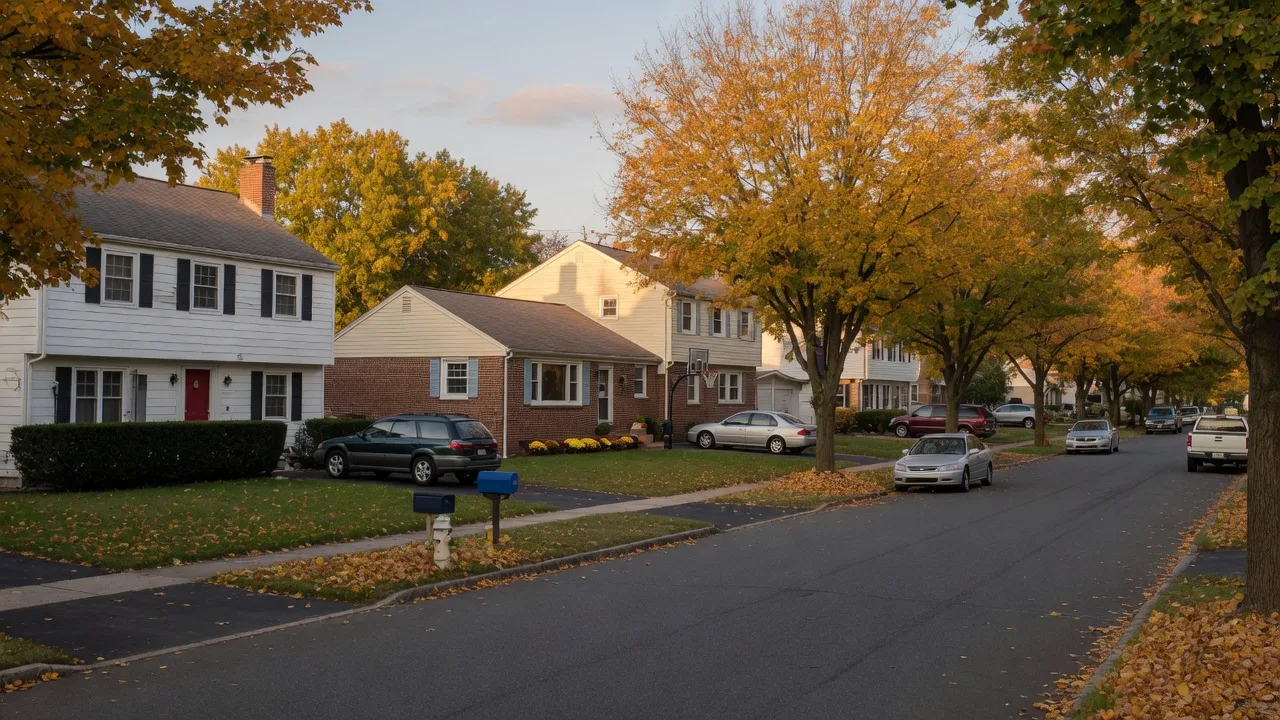
Is Cinnaminson a good place to invest in real estate? For most investors, the honest answer is yes, with one big caveat: this is a slow-and-steady appreciation market, not a high-cash-flow one. Rental demand is real and consistent, driven by commuters who want the River Line, families who want the school district, and a rental supply so small that roughly 85 percent of township homes are owner occupied. What tempers the math is property taxes, which run among the states' steepest and take a genuine bite out of a landlord's gross yield.
This guide walks through what a Cinnaminson investment property actually looks like in late 2026: what homes cost, what they rent for, what the price-to-rent ratio says, how taxes change the return, and the New Jersey rules a first-time landlord has to get right. The figures come from current rental trackers, listing portals, and state tax data, and where the sources disagree, this post says so plainly.
What Does a Cinnaminson Rental Property Cost in 2026?
A typical single-family home in Cinnaminson sells somewhere in the mid-$400,000s. Homes.com's 12-month median is $425,000 overall, split between about $450,000 for single-family homes and $395,000 for townhouses, and Redfin shows a median sale price of about $451,000. Zillow's average home value runs higher at about $470,000, because averages get pulled up by larger homes. For a buyer looking at rentals, the practical entry points are townhouses near the $395,000 mark, including communities like Brynwood Square and the newer ENERGY STAR townhomes at Cinnaminson Harbour, with older sections of Rolling Green and Pheasant Run offering more accessible single-family prices.
The upper end of the market, neighborhoods like Ramblewood, Fountain Farms, and Poets Walk, is where larger single-family homes trade, and those are the properties that attract the strongest family rental demand and the most reliable appreciation. The Cinnaminson real estate guide breaks down the housing stock by type and price band, and the live listings show exactly what is on the market today. For the most recent market data, the September 2026 market update has the full picture.
How Much Do Cinnaminson Homes Rent For?
Rental rates in Cinnaminson vary by source, and the spread itself is useful information. Apartment-level averages run from about $1,783 a month on ApartmentFinder to $2,312 on RentCafe, with Zumper at $1,873 and Apartments.com at $1,931. Typical one-bedrooms rent for around $1,900 a month and two-bedrooms for roughly $2,150 to $2,300, while mainstream three-bedroom homes run closer to $2,900 to $3,000, according to RentCafe. On the whole-home side, Homes.com puts the median single-family rent at about $2,947 a month and the median condo rent at about $2,500.
The rental market is small, and that shows up in two ways. First, a few complexes dominate the listings, notably Camelot at Cinnaminson Harbour, with one-bedrooms from about $1,885 and two-bedrooms from about $2,100, plus Rolling Greens Court and the 55-plus Siena Luxury Residences. Second, the trackers disagree on direction: Zumper reports rents down 12 to 22 percent year over year while Apartments.com shows them up 12.2 percent. In a market this small, treat any single trend line with caution. What matters for an investor is the range, and the range is roughly $1,800 to $2,300 for apartments and $2,500 to $3,000 for houses.
What Does the Price-to-Rent Ratio Say About Cinnaminson?
The price-to-rent ratio, home price divided by annual rent, is the standard first test of a rental market. A lower number means rents are high relative to prices, which favors cash flow. Homes.com calculates Cinnaminson's ratio at about 12.3 for single-family homes and 13.9 for condos. Compared with the national picture, where ratios of 20 or more are common in expensive coastal cities, those figures say Cinnaminson rents are healthy relative to purchase prices. In plain terms, a fully rented property can gross roughly 7 to 8 percent of its price per year before expenses.
The gap between gross and net is where the honest analysis lives. Out of that 7 to 8 percent, a Cinnaminson owner pays property taxes worth about 2 percent of the home's price every year, plus insurance, maintenance, landlord expenses, and vacancy. Most landlords should underwrite for at least 20 to 25 percent of gross rent in operating costs on top of taxes. What is left is a modest cash flow, with the bigger long-term return coming from appreciation in a town with strong schools and constrained supply. That is why this market suits patient owners more than investors who need rent checks to cover everything.
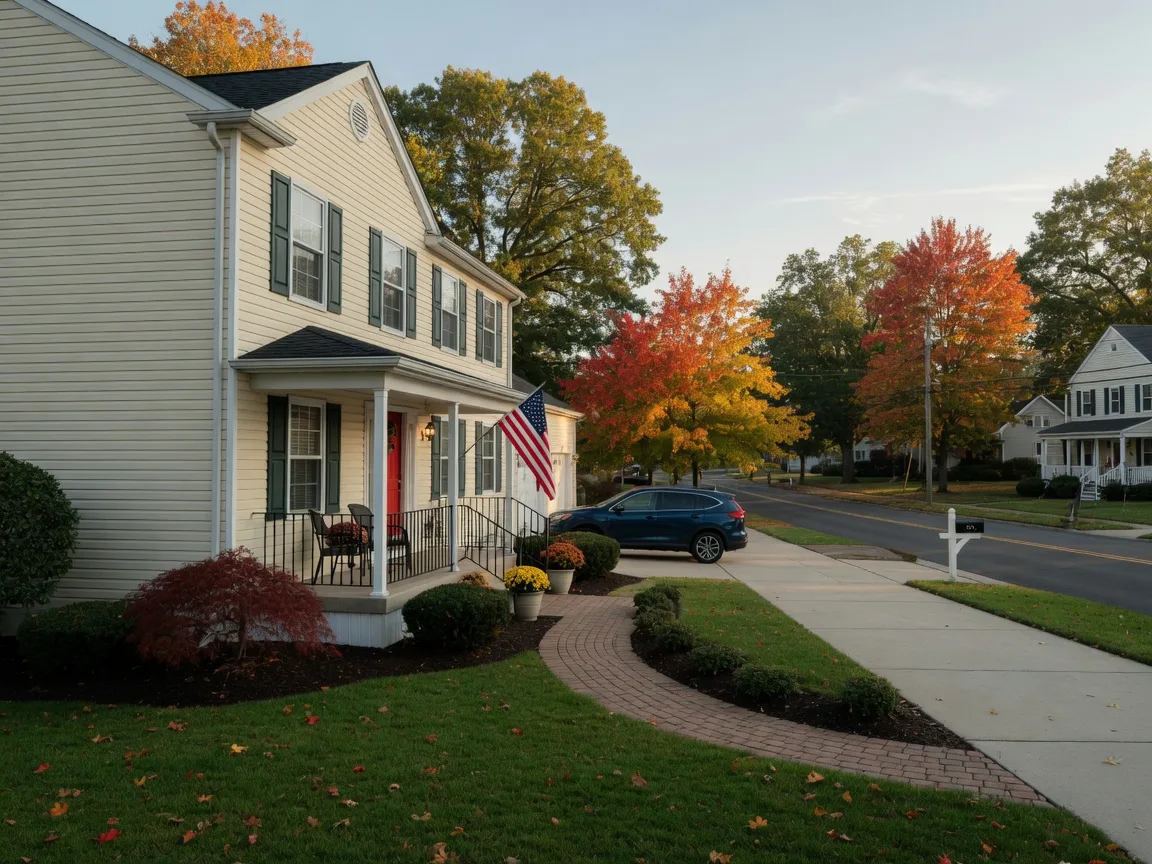
A typical Cinnaminson single-family home sells in the mid-$400,000s and rents for close to $3,000 a month, a spread that keeps gross yields healthy but net returns modest after taxes.
How Do Property Taxes Change the Investment Math?
Property taxes are the single biggest line item in any Cinnaminson investment budget. According to the New Jersey Division of Taxation, the average annual residential tax bill in Cinnaminson was $8,377 in 2024, and the most recent state figures put it at about $8,676 on a home assessed at $236,478. Third-party estimates place the effective rate near 3.7 percent. New Jersey assesses many homes below market value, so a property bought today could carry a bill that is roughly 2 percent of its purchase price every year, year after year, regardless of what the rent does.
Run that number on a $450,000 house: taxes near $8,700 a year are about 1.9 percent of price, which erases more than two points off that 7 to 8 percent gross yield before a single repair. Add insurance, a management company if you use one, maintenance, and periods of vacancy, and net cash flow on a leveraged purchase can be modest early on. New Jersey also taxes net rental income, so the return after taxes, in both senses of the word, is what matters. The cost of living guide walks through the full monthly picture of owning here, taxes included, so the pro forma is realistic from day one.
Who Rents in Cinnaminson, and Why Is Demand So Steady?
Cinnaminson is an owner-occupied town, with roughly 85 percent of homes lived in by their owners and only about 15 percent rentals. That sounds like a warning until you consider the demand side. The township sits about 11 miles from Center City Philadelphia, with the River Line light rail at Cinnaminson Station, Route 130 and I-295 on the doorstep, and NJ Transit Bus 409 along the corridor, which makes it a first-choice address for commuters who want a yard and a good school district without an hour-long drive. The school district is consistently rated among the best in Burlington County, ranked #4 in the county on Niche with an A- rated high school, and that keeps family demand strong.
Add a median household income near $128,000 by the 2020 Census, and there is real rent-paying capacity in the tenant pool: young professionals and families renting while they save, transplants learning the area before they buy, downsizers, and residents of 55-plus communities like Siena. Because inventory is small, vacancies fill quickly when a unit is priced right. The commute guide explains the transit options in detail, and the neighborhood guide is the best map of where the strongest rental demand concentrates.
Is Cinnaminson a Better Investment Than Nearby Towns?
Anyone comparing towns in this corner of Burlington County usually lines up Cinnaminson, Delran, Moorestown, and sometimes Cherry Hill. Cinnaminson's pitch is the combination of a mid-$400,000 entry price, a top-tier school district, and the River Line, at a purchase basis that is lower than pricier neighbors like Moorestown and Cherry Hill. Because New Jersey's tax rates are high across the board, a lower basis usually also means a smaller absolute tax bill than a comparable rental in a more expensive town.
The honest trade-offs: Cinnaminson's rental stock is thinner than the big apartment corridors, so finding deals takes patience, and the town skews slightly older as a community. Delran, the next town over, is the closest apples-to-apples comparison, and the Cinnaminson vs Delran comparison goes town by town on prices, schools, and commute. For most investors the verdict lands the same way it does for homebuyers: Cinnaminson is the stronger identity and the stronger long-term bet; Delran is the value alternative.
What Should First-Time Landlords Know About New Jersey Rules?
The paperwork is not optional. A landlord of a non-owner-occupied one- or two-family home must file a landlord registration statement with the municipal clerk, give a copy to each tenant, and provide New Jersey's official Truth in Renting booklet before the lease is signed. New Jersey's security deposit law caps a deposit at one and a half times the monthly rent, requires it to be held in a separate, interest-bearing account, and requires return within 30 days of move-out with an itemized list of deductions. The interest on the deposited money belongs to the tenant.
Older homes carry extra duties. Federal law requires a lead paint disclosure and the EPA pamphlet for any unit built before 1978, and New Jersey's Lead Safe Certification Act goes further, requiring a municipal inspection of pre-1978 rental units at turnover and a lead-safe certificate on file. Many New Jersey towns, Cinnaminson among them, also require a local rental license or certificate of occupancy, so check the township's ordinance before marketing a unit. None of this is a reason to avoid renting in Cinnaminson, but it is exactly the set of costs a pro forma should include on day one.
Want the Real Numbers on a Cinnaminson Property?
Market averages are a starting point, but your address, your tax assessment, and your rent target are specific. I track Cinnaminson sales and rentals week by week, and I can walk you through the math for a particular property. Have questions about Cinnaminson? Contact Bob Millaway at 856.426.1522, or book a time to talk through your goals.
Book a Call with BobFrequently Asked Questions About Investing in Cinnaminson Real Estate
Is Cinnaminson NJ a good place to invest in real estate?
For most investors, yes, with an important caveat: Cinnaminson is a slow-and-steady appreciation market more than a high-cash-flow one. Rental demand is consistent because commuters want the River Line, families want the school district, and only about 15 percent of township homes are rentals to begin with. Property taxes are the trade-off; average residential bills near $8,400 to $8,700 a year take a real bite out of gross yield. Buyers who underwrite for taxes and hold for appreciation tend to do well here.
How much does a house cost in Cinnaminson compared with what it rents for?
Single-family homes in Cinnaminson typically sell in the mid-$400,000s, with median figures around $425,000 to $451,000 depending on the tracker, while townhouses cluster near a $395,000 median. On the rental side, the median single-family home rents for about $2,947 a month and the median condo for about $2,500 a month, per Homes.com. That works out to a price-to-rent ratio near 12.3 for homes and 13.9 for condos, which implies gross yields around 7 to 8 percent before taxes, insurance, maintenance, and vacancies.
What is the average rent in Cinnaminson NJ?
Apartment-level averages in Cinnaminson land between roughly $1,783 and $2,312 a month depending on the tracker: ApartmentFinder reports $1,783, Zumper $1,873, Apartments.com $1,931, and RentCafe $2,312. Typical one-bedrooms rent around $1,900 a month and two-bedrooms around $2,150 to $2,300. Standout complexes include Camelot at Cinnaminson Harbour (one-bedrooms from about $1,885, two-bedrooms from about $2,100), Rolling Greens Court (one-bedrooms from $815), and Siena Luxury Residences, a 55-plus community with two-bedrooms around $2,700 to $2,850.
How do property taxes affect rental returns in Cinnaminson?
Property taxes are the biggest drag on Cinnaminson rental returns. The average annual residential bill was $8,377 in 2024 and about $8,676 in 2025, according to the New Jersey Division of Taxation, on a typical assessed value of $236,478. Third-party estimates put the effective rate near 3.7 percent, which is roughly 2 percent of a typical home price every year. On a $450,000 rental, that is close to $8,700 in taxes alone before insurance, maintenance, and vacancies, so underwriting must start with the tax bill, not the gross rent.
Who rents in Cinnaminson?
Cinnaminson renters are mostly a mix of Philadelphia commuters, professionals, families who want the school district while saving toward a purchase, downsizers, and residents of 55-plus communities like Siena Luxury Residences. Rental inventory is small, roughly 15 percent of homes, because about 85 percent of township homes are owner occupied, and turnover is low. The township's median household income near $128,000 by the 2020 Census supports rent levels well above the national average, which keeps demand steady even in a small market.
Is Cinnaminson cheaper to invest in than Moorestown or Mount Laurel?
The entry price is lower. Cinnaminson's median single-family price in the mid-$400,000s sits well below the typical sales prices in pricier neighbors like Moorestown and Cherry Hill, which the township's own real estate guide describes as excellent relative value. Because New Jersey tax rates are high everywhere, a lower purchase basis usually means a smaller absolute tax bill too, dollar for dollar, than buying a more expensive home in a neighboring town with the same rate. The trade-off is a smaller rental inventory, so the market is tighter and turnover is lower than in big-apartment towns.
What do I need to know before renting out a house in New Jersey?
Start with registration and disclosure. A landlord of a non-owner-occupied one- or two-family home must file a landlord registration statement with the municipal clerk, give a copy to the tenant, and provide New Jersey's official Truth in Renting booklet before the lease is signed. Security deposits are capped at one and a half times monthly rent, must sit in a separate interest-bearing account, and must be returned within 30 days of lease end. For homes built before 1978, federal law requires a lead paint disclosure, and New Jersey's Lead Safe Certification Act requires a municipal inspection and lead-safe certificate at turnover. Many towns also require a local rental license or certificate of occupancy.
Thinking About Buying in Cinnaminson?
Whether you are buying a primary home, a rental, or just curious what a property is worth, I can help you run the numbers. I am an AI Certified Agent with Epique Realty, and I have spent years helping families buy and sell throughout Burlington County, including right here in Cinnaminson.