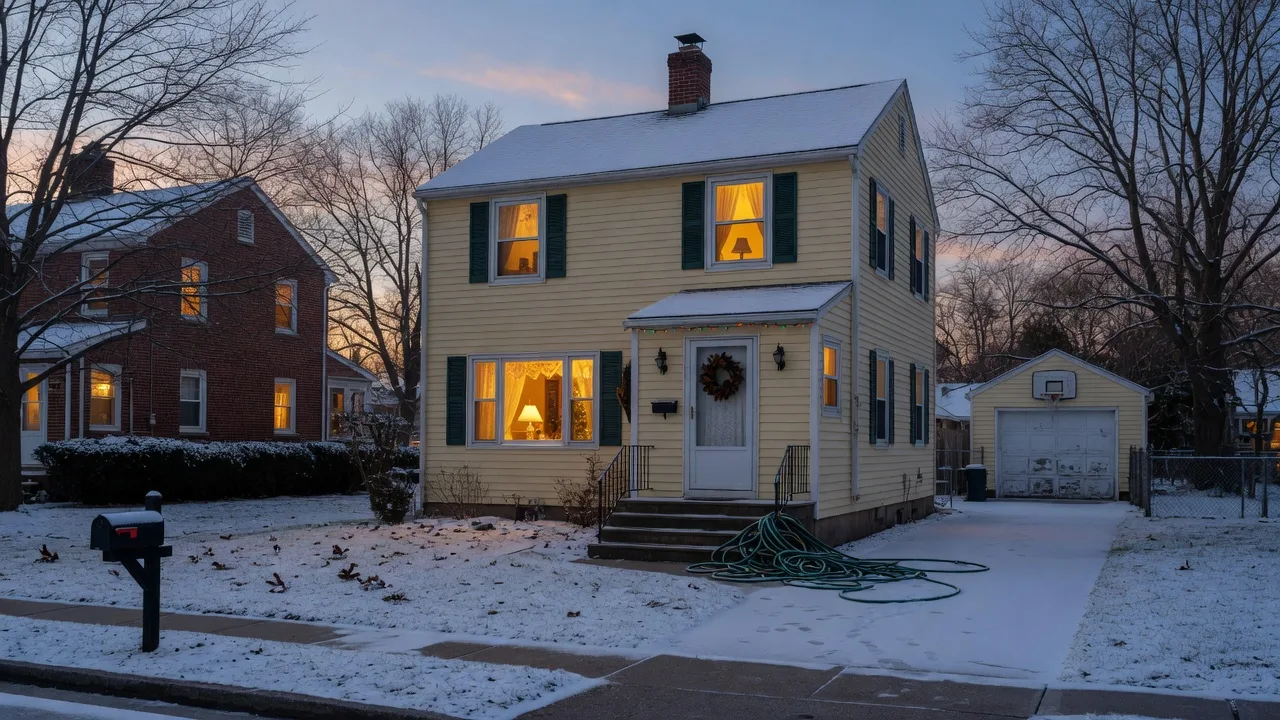
Frozen pipes are one of the most common and most costly winter repairs in New Jersey, and Cinnaminson homes face real risk every winter. With an average January low near 25 degrees, the township regularly dips below the temperatures where water in exposed pipes starts to freeze. The good news: almost every freeze is preventable with a few hours of work before the first hard freeze arrives. This guide covers which pipes freeze first in South Jersey homes, how to winterize them, how to thaw a pipe safely if it does freeze, and exactly what to do if one bursts.
How cold does it have to get for pipes to freeze in Cinnaminson?
Water in pipes can begin to freeze any time the temperature around the pipe drops below 32 degrees. The widely cited danger zone is around 20 degrees: when outdoor temperatures fall to 20 degrees or below and stay there for an extended period, pipes are most at risk of freezing and bursting, because ice expands and builds pressure that can rupture metal or plastic pipe.
Cinnaminson winters are more than capable of reaching that threshold. January is the coldest month here, with an average low around 25.5 degrees and average highs near 38, and extended sub-freezing spells are common from December through February. The first hard freeze, 28 degrees or below, typically arrives in South Jersey around mid-to-late November, a little later than inland towns because Cinnaminson sits along the Delaware River. In practice, that makes October and early November your window to prepare.
Which pipes in a Cinnaminson home freeze first?
Not all pipes are created equal. The ones that freeze are the ones that live in unheated space: plumbing in crawlspaces, uninsulated basements, attics, attached garages, and pipes that run along exterior walls or behind cabinets on outside walls. Exterior hose bibs are the most obvious weak point, but interior lines are the ones that cause the worst damage when they burst.
Cinnaminson's housing stock makes this more than an academic concern. Much of the township was built in the post-war era, with a median construction year around 1966 and roughly 17 percent of homes built before 1950. Many of those ranches, split-levels, and colonials, in neighborhoods like Rolling Green, Fountain Farms, and Poets Walk, have exposed plumbing in crawlspaces or unfinished basements, the exact places where a freeze turns into flooding by spring. If your home was built before 1970, assume your pipes need attention rather than assuming they are fine.
How do you winterize pipes before the first freeze?
The American Red Cross has a simple, well-tested list for preventing frozen pipes, and it maps cleanly onto a Cinnaminson home. Work through these before the first hard freeze, ideally by early November:
Disconnect and drain garden hoses. Remove hoses from every outdoor faucet, drain them, and store them for winter. Leaving a hose attached traps water in the line and guarantees a freeze.
Shut off and drain exterior faucets. If your home has interior shutoff valves for the hose bibs, close them, open the outdoor faucet briefly to drain the line, and keep the outdoor valve open so trapped water has room to expand. No interior shutoff? Insulate the hose bib with a foam cover, the same cover most hardware stores stock in October.
Insulate exposed pipes. In crawlspaces, uninsulated basements, garages, and along exterior walls, wrap exposed pipes with foam pipe insulation, focusing on the first few feet from the wall and any line that could see freezing air. This is the single best use of a hardware store run in November.
Seal air leaks. Cold air finds pipes through gaps around foundation vents, crawlspace doors, and the rim joist, so seal them with caulk or expanding foam before freezing weather arrives.
Keep the garage door closed. If water supply lines run through the garage, keep the garage door closed as much as possible during cold snaps; it is one of the most commonly skipped steps.
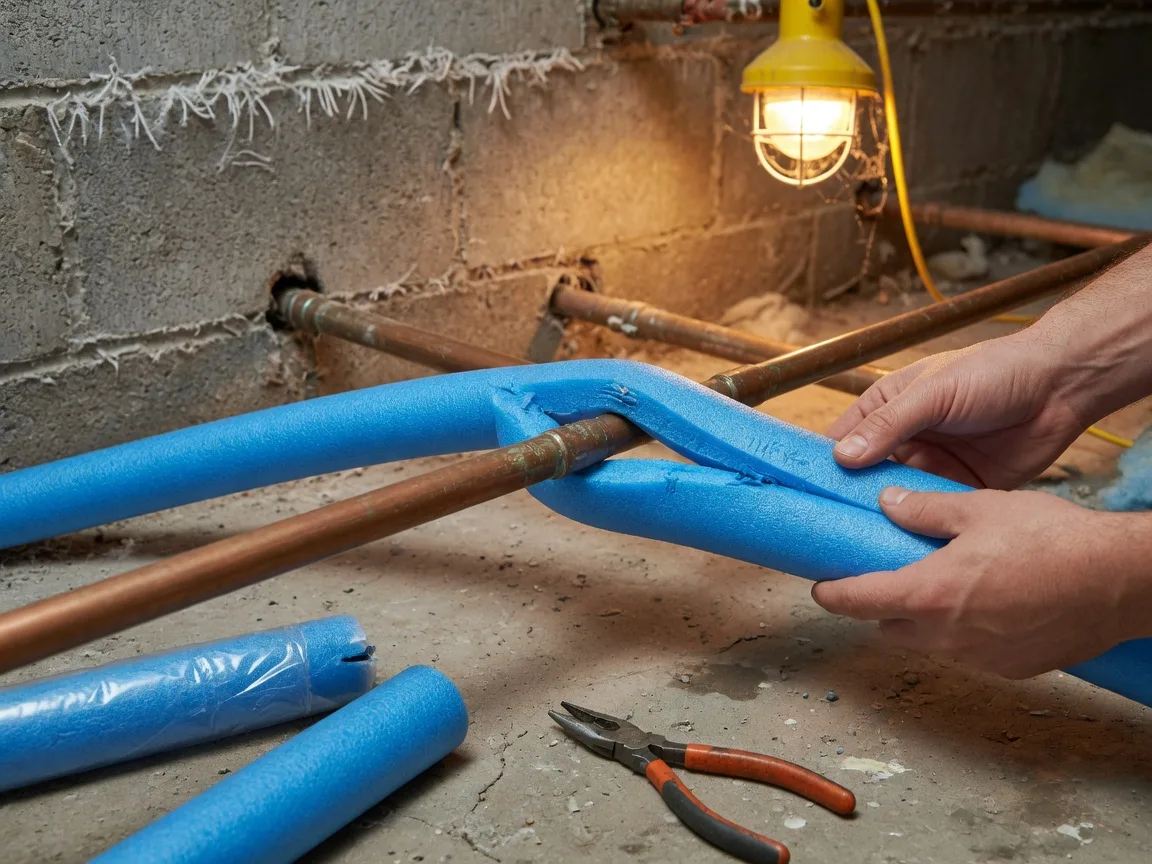
Foam pipe insulation on exposed basement and crawlspace lines is the cheapest protection a Cinnaminson home can get before the first hard freeze.
What should you do during a deep freeze?
Even a well-winterized home can hit a brutal cold snap, and the Red Cross recommends a few habits for the worst nights of the year:
Keep the thermostat at the same temperature day and night. Do not lower the heat overnight during a cold snap, even to save a few dollars; a night of savings is not worth a five-figure pipe claim.
Let a faucet drip. Open a cold water faucet served by an exposed pipe to a slow trickle. Moving water is far less likely to freeze, and it relieves pressure in the system. In homes with a bathroom on an exterior wall, drip that sink.
Open cabinet doors. On nights below 20 degrees, open kitchen and bathroom cabinet doors so heated air can circulate around pipes under sinks.
Going away? If you leave town in winter, do not shut the heat off entirely. Keep the thermostat at no lower than about 55 degrees and ask a neighbor to check the house during any deep freeze.
How do you thaw a frozen pipe safely?
First, confirm which pipe is frozen: typically one faucet produces little or no water while the rest of the house flows normally, and the affected line is often on an exterior wall or in the crawlspace. Once you find it, follow the safe thawing steps:
Keep the faucet open. As the ice melts, the running water helps carry heat along the pipe and gives the melting ice somewhere to go.
Apply gentle heat. Use a space heater near the pipe, a hair dryer on low, or towels soaked in hot water. Work from the faucet end toward the frozen section, and keep the heat moving along the pipe rather than staying in one spot.
Never use an open flame. No blowtorch, no propane heater, no charcoal. Open flame and high heat can start a house fire, and boiling water inside a pipe can cause it to burst. If gentle heat does not work, call a plumber.
Check for leaks as you thaw. Water may be leaking where the pipe is split, so watch for drips or spraying and be ready to shut off the main valve.
What should you do if a pipe bursts?
If a pipe bursts, act in this order: shut off the main water valve immediately to stop the flow, open faucets to drain the remaining water from the system, and call a licensed plumber. Photograph the damage for your insurance claim before cleanup begins, and start drying the area right away, with fans and dehumidifiers if you have them, because mold sets in fast. If you do not know where the main shutoff is, find it now; it is usually near the water meter in the basement, crawlspace, or garage.
The stakes are real. The Insurance Institute for Business and Home Safety calls frozen pipes the single largest cause of property damage during winter, and the average burst pipe insurance claim exceeds 10,000 dollars. Nationally, more than 250,000 homes suffer frozen or burst pipe damage every year. A roll of pipe insulation and an hour of work in November is, by any measure, cheap insurance.
Where can Cinnaminson homeowners get supplies or a plumber?
For supplies, you do not have to travel far. Harbor Freight sits right in Cinnaminson at 2501 US-130, handy for foam faucet covers and pipe insulation. Home Depot at 9000 US-130 in Delran and Lowe's at 1331 Fairview Blvd in Delran cover the bigger runs: insulation in bulk, heat tape for at-risk lines, and sump pump supplies.
If you would rather have a pro do the winterizing, or you need help mid-freeze, established local plumbing companies are close by. The Friendly Plumber is based right in Cinnaminson at 108 Wayne Dr, City Plumbing of South Jersey operates from the Presidential Center on US-130, and Wickersham Plumbing is also local. Wolfschmidt Plumbing, Heating & Cooling in Riverton and Eddie B. Plumbing in Delran round out a short list of nearby options. Book early: every plumber in the region gets busy at the first hard freeze.
How does pipe protection protect your home value?
Winterizing also shows up when it is time to sell. Buyers and inspectors look closely at basements, crawlspaces, and plumbing, and a dry, insulated, well-maintained home inspects far cleaner than one with evidence of a past water event. Consistent seasonal upkeep is a quiet but powerful asset when you list your home.
If you are weighing what it costs to own and care for a home here, our cost of living breakdown puts maintenance and utilities in the full monthly picture, and the real estate market page tracks what well-maintained Cinnaminson homes are selling for. The neighborhood guide is worth a look as well: the age and construction style of the house changes exactly which winterizing steps matter most.
For the rest of the seasonal to-do list, our fall home maintenance checklist covers gutters, furnaces, and the rest of the freeze prep, and the home energy saving guide shows how to keep heat in and bills down all winter.
Frozen pipes in Cinnaminson: Your questions, answered
At what temperature do pipes freeze in Cinnaminson, NJ?
Water in pipes can begin freezing below 32 degrees, and pipes are most at risk when temperatures stay around 20 degrees for extended periods. Cinnaminson's average January low is near 25, so the risk is real every winter.
Which pipes are most likely to freeze in a Cinnaminson home?
Pipes in unheated spaces freeze first: crawlspaces, uninsulated basements, attached garages, attics, and lines along exterior walls. Many post-war Cinnaminson ranches and split-levels have exposed plumbing in crawlspaces, so those need extra attention.
Should I let my faucets drip during freezing weather?
Yes. During a hard freeze, run a cold water faucet served by an exposed pipe at a trickle, and open cabinet doors so warm air reaches the pipes. Moving water is far less likely to freeze.
How do I thaw a frozen pipe without causing damage?
Keep the faucet open, then apply gentle heat with a space heater, hair dryer, or hot towels, working from the faucet end toward the blockage. Never use an open flame or a torch.
What should I do if a pipe bursts in my home?
Shut off the main water valve immediately, open faucets to drain the system, call a licensed plumber, photograph the damage for insurance, and start drying the area right away.
Do I need to winterize my hose bib even if I have an interior shutoff valve?
Yes. Disconnect hoses, close the interior shutoff, open the outdoor bib to drain the line, and keep it open so trapped water has room to expand. No interior shutoff? Use a foam faucet cover.
How much does a burst pipe cost to repair?
Frozen pipes are the single largest cause of winter property damage, with an average claim above $10,000, and more than 250,000 homes affected nationwide every year. Prevention is a far better deal.
A neighborly reminder
I have walked, bought, and sold homes across this township for years, and I still drain my own hose bibs and wrap my crawlspace pipes every November before the first hard freeze. Almost every burst pipe a plumber fixes in January was preventable in October. If you would like a second set of eyes on what your home needs, or you are thinking about buying or selling, I am here.
Have questions about Cinnaminson? Contact Bob Millaway at 856.426.1522
Contact Bob